



A Unique Approach to Skin Care
Discover a new way to care for your skin with our unique skincare approach.
In harmony with nature and innovation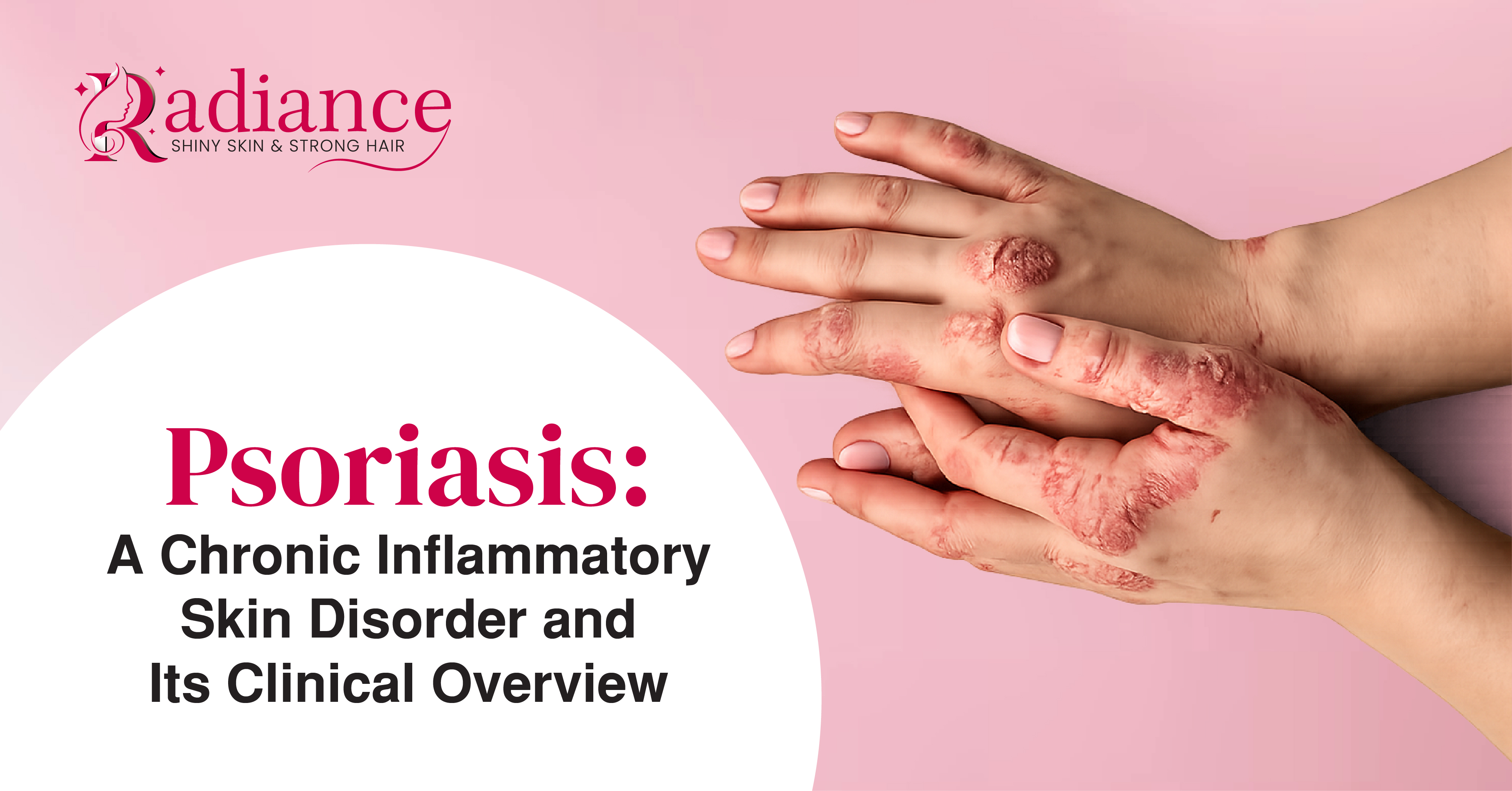
Psoriasis is a chronic inflammatory skin condition that affects millions of people worldwide. Instead of renewing skin cells over several weeks, the body produces new cells much faster than normal. These extra cells accumulate on the skin's surface, resulting in raised, scaly patches that may itch, crack, or become uncomfortable.
Psoriasis is not contagious, meaning it cannot spread from one person to another through physical contact. While symptoms may improve for periods of time, flare-ups can occur when certain triggers activate the immune response.
Psoriasis develops because the immune system becomes overactive and sends signals that accelerate skin cell production. Normally, skin cells renew gradually, but in people with psoriasis this process happens much more quickly.
As the new cells build up before older cells can shed naturally, they form visible plaques and inflamed areas on the skin.
Symptoms vary from person to person and may range from mild to severe.
The exact cause of psoriasis is not fully understood, but research suggests it develops due to a combination of genetic and immune-related factors.
The exact cause of psoriasis is not fully understood. Experts believe it develops due to a combination of genetic predisposition and an overactive immune response, which causes skin cells to multiply much faster than normal.
Key contributing factors include:
Psoriasis can develop at any age, although it commonly appears between the ages of 15-35 years and may also occur later in adulthood.
Understanding the different types of psoriasis can help identify symptoms and guide appropriate management.
The most common type, characterised by raised, red patches covered with silvery scales.
Appears as small, drop-shaped spots and is often triggered by bacterial infections such as strep throat.
Develops in skin folds, including the underarms, groin, and beneath the breasts, where smooth, inflamed patches appear.
A less common form characterised by pus-filled blisters surrounded by inflamed skin.
A rare but serious form that causes widespread redness, peeling, and discomfort, requiring immediate medical attention.
While triggers do not cause psoriasis, they can worsen symptoms or lead to flare-ups in people who already have the condition. Identifying and avoiding personal triggers can help improve long-term management.
Since triggers vary from person to person, keeping a record of flare-ups and discussing recurring patterns with a dermatologist can help develop an effective management plan.
There is currently no permanent cure for psoriasis, but several treatment approaches can help manage symptoms and improve quality of life.
Dermatologists may recommend medicated creams, ointments, or moisturisers to reduce scaling, itching, and inflammation.
Phototherapy uses carefully controlled ultraviolet light to slow excessive skin cell production and reduce inflammation.
Moderate to severe psoriasis may require oral medications or injectable therapies prescribed by a dermatologist.
Treatment depends on the severity, type of psoriasis, and the individual's overall health.
A consistent skincare routine plays an important role in keeping the skin comfortable and supporting the skin barrier.
Dermatology-guided skincare products that focus on hydration, barrier support, and soothing sensitive skin may complement medical treatment as part of an everyday skincare routine.
Healthy lifestyle habits can help minimise triggers and improve overall skin health.
These habits support overall wellbeing and may help reduce the frequency of flare-ups.
Living with psoriasis in India presents unique challenges due to varying climates, pollution levels, and seasonal changes. Dry winters in northern regions and environmental pollution in urban areas may aggravate symptoms for some individuals.
Following a consistent skincare routine, protecting the skin from harsh weather, and consulting a dermatologist when symptoms worsen can help improve long-term skin health and comfort.
| Myth | Fact |
|---|---|
| Psoriasis is contagious. | It cannot spread through physical contact. |
| It only affects the skin. | It may also affect the nails and joints in some people. |
| Moisturising does not help. | Regular moisturising supports the skin barrier and improves comfort. |
| Psoriasis can be permanently cured. | It can be effectively managed, but it is generally a long-term condition. |
Psoriasis is a long-term inflammatory skin condition that causes skin cells to build up more quickly than normal, resulting in scaly patches and inflammation.
No. Psoriasis cannot spread through touch or close contact.
Stress, infections, skin injuries, cold weather, smoking, and certain medications are common triggers.
Healthy lifestyle habits, stress management, and a consistent skincare routine can help support symptom management alongside medical treatment.
Fragrance-free, hydrating formulations that support the skin barrier are generally recommended. A dermatologist can advise the most appropriate option based on your skin's needs.
If symptoms become severe, widespread, painful, or do not improve with regular care, it is important to seek medical advice.
Psoriasis is a long-term inflammatory skin condition that requires consistent care rather than a one-time solution. Understanding its causes, recognising common triggers, following appropriate treatment, and maintaining a skin-friendly routine can help minimise flare-ups and improve quality of life. Combining medical guidance with gentle, barrier-supporting skincare allows many people to manage symptoms more effectively and maintain healthier-looking skin.
Discover a new way to care for your skin with our unique skincare approach.
In harmony with nature and innovation